ceramics
-

Doing the Dishes: Institutional Ceramics from the Service Road Collection
Construction along Service Road in 2020 found a mid-20th-century midden. The artifacts found were associated with the history of temporary post-World War II student housing on Michigan State’s campus. After the Servicemen’s Readjustment Act of 1944, or the GI Bill, became law, college enrollment increased in the United States (Dressel 1987). This required more housing…
-

Getting ‘Ghosted’: Calamitous Clay Creations from the Outré Outhouse
During archaeological excavations, some of the most ubiquitous artifacts unearthed are ceramic sherds that were once part of bowls, plates, vases, or other decorative pieces. It is relatively easy to appreciate the skills and techniques that go into the creation of meticulously crafted ceramic vessels. Even in the cases of plainer wares whose value comes…
-
International Students and Institutional Wares at MSU
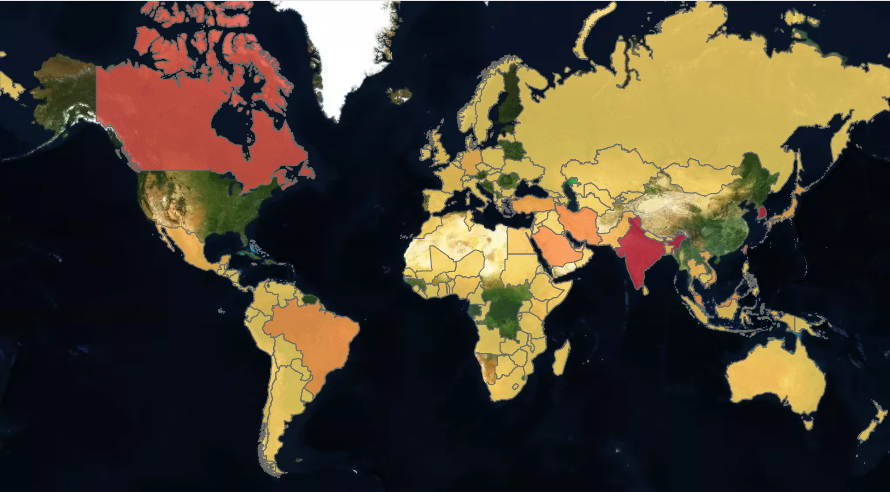
The presence of international students on campus began early in MSU’s history. Not even two decades after MSU’s founding, four international students were enrolled for the fall semester in 1873. Two of these students were from Japan, one from Holland, and one from Canada [1]. Since then, MSU has made a strong commitment to fostering…
-

Summer 2018 Recap
This summer was an eventful one for the Campus Archaeology Program field crew! We monitored construction, conducted several pedestrian and shovel test surveys, excavated one test unit, conducted lab analysis, and helped with the IB STEM archaeology camp and grandparents university. Plus, we uncovered an entire cow skeleton! Below you can read in more detail…
-
The Archaeology of Shopping: Variations in Consumerism in the Past
So far this year, I have been examining the ceramics from various assemblages associated with early Michigan State. While I have looked at what types of dishes were present and how they were used, I have not looked at how these assemblages compare to other sites in the Midwest. Comparative analyses are one of the…
-
Hanging Out with Uncle Tommy: Decorated Ceramics from the Gunson Assemblage
During this semester, I have been working through some of the decorated ceramics that were found in the Gunson assemblage (Find more information about the excavation here). Working toward the goal of generating a better picture of what types of vessels were found and the number of different stylistic types, I have been working on…
-
A Closer Look at the Berlin Swirl Ceramic Pattern
Happy Fat Tuesday! After flocking to the nearest paczki-filled bakery, I hope that you sit down and enjoy your Polish donut on some fine china. Perhaps, if you’re historically or archaeologically inclined, you might want to enjoy your treat on a nice British ceramic plate. Enter: the Berlin Swirl pattern. Here at CAP we’ve encountered…
-
Where are you registered? Understanding British Registered Design Marks
There are many different ways that we can date a site or specific artifact. We can look broadly at the contextual history of the area, look at how a glass bottle was constructed, or use construction material like nails to create broad date ranges. Specifically with ceramics there are several ways to establish a time…
-
From China to Historic MSU: A Not-so-Short History of Porcelain Part 2
In Part 1, I introduced how porcelain is produced and its long history in Asia and Europe. Today, after centuries of history, porcelain finally comes to the Americas (what a surprise!). Porcelain first came to the Americas not long after it made its appearance in Europe in the 17th century. By the late 1600’s, porcelain…
-
Wedgwood Ceramics on MSU’s Historic Campus
Last week I spent some time in the CAP lab with Campus Archaeologist Lisa Bright resorting and accessioning artifacts from the 2008 and 2009 Saint’s Rest rescue excavation. This excavation uncovered many ceramic artifacts (among other items) including plates, bowls, and serving dishes. Among the many fragments of whiteware, Lisa showed me one fragment that…